Tag: Infectious Diseases

  • Artificial Intelligence for Schistosomiasis Control

    Artificial Intelligence for Schistosomiasis Control

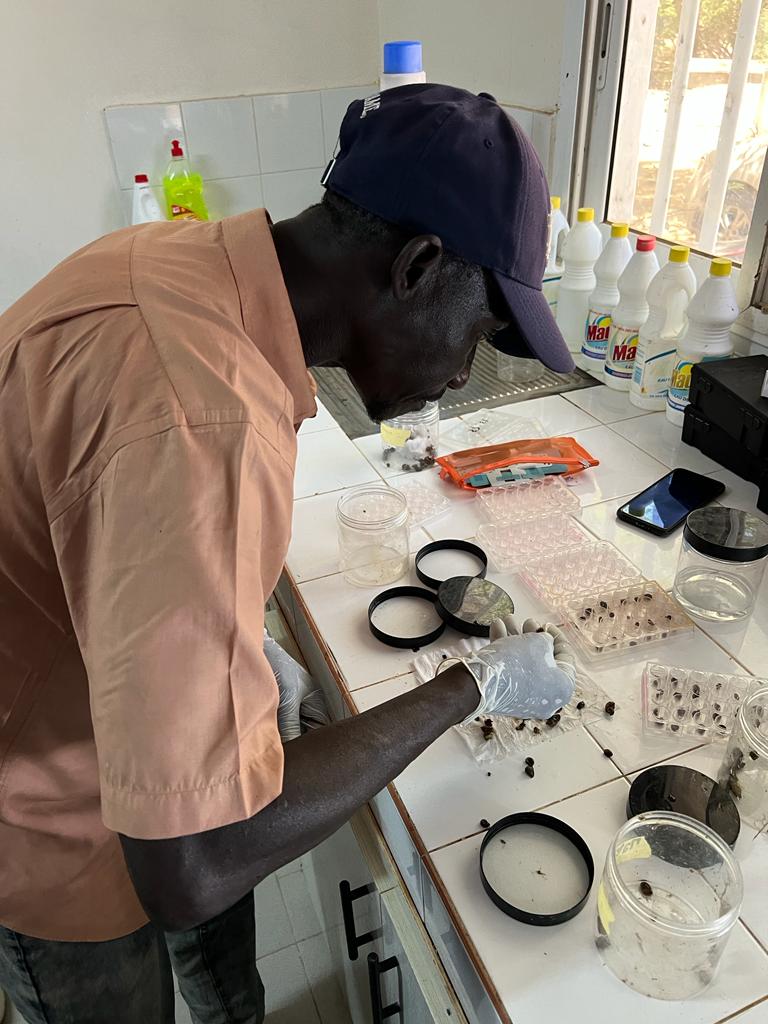
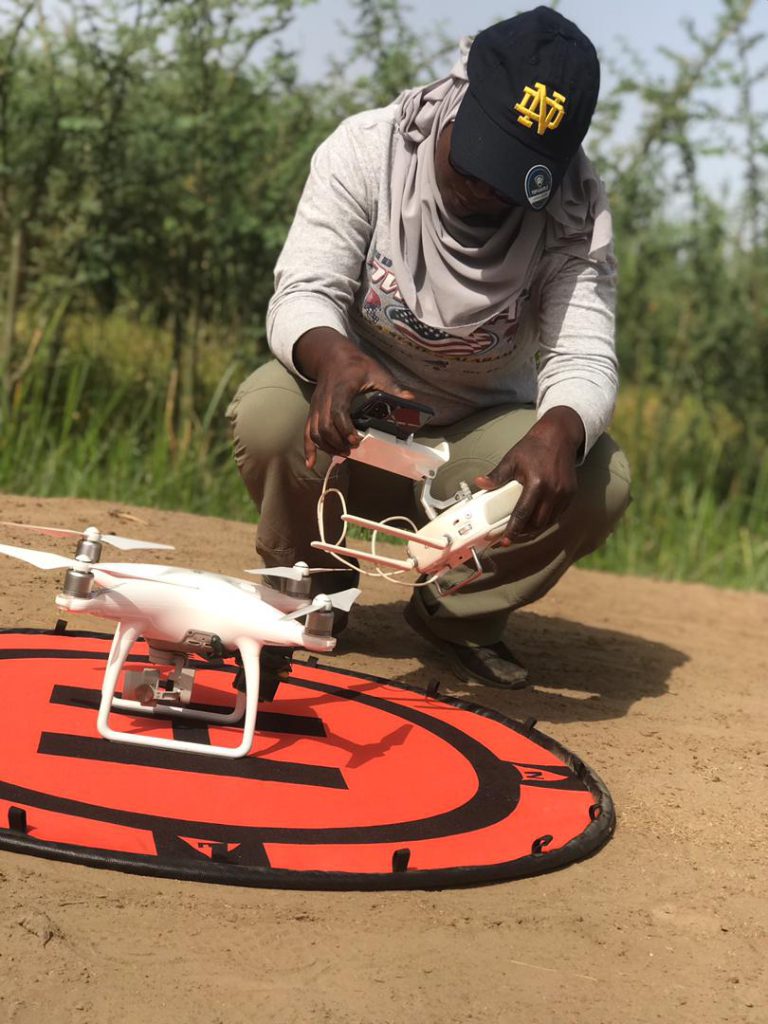
    This project addresses schistosomiasis, also known as bilharzia, an infection caused by a parasitic disease impacting millions in low-income regions. Collaborating with U.S. universities and the Centre of Excellence in Mathematics, Computer Science and ICT (CEA-MITIC) at Senegal’s Gaston Berger University (GBU), this initiative leverages drone and satellite imagery with AI models to map high-risk areas, enabling targeted interventions. This AI approach is set to transform schistosomiasis control strategies, while also training local students in innovative disease surveillance techniques.
  • Rapid Molecular Detection of Yellow Fever Virus at the Point of Care

    Rapid Molecular Detection of Yellow Fever Virus at the Point of Care

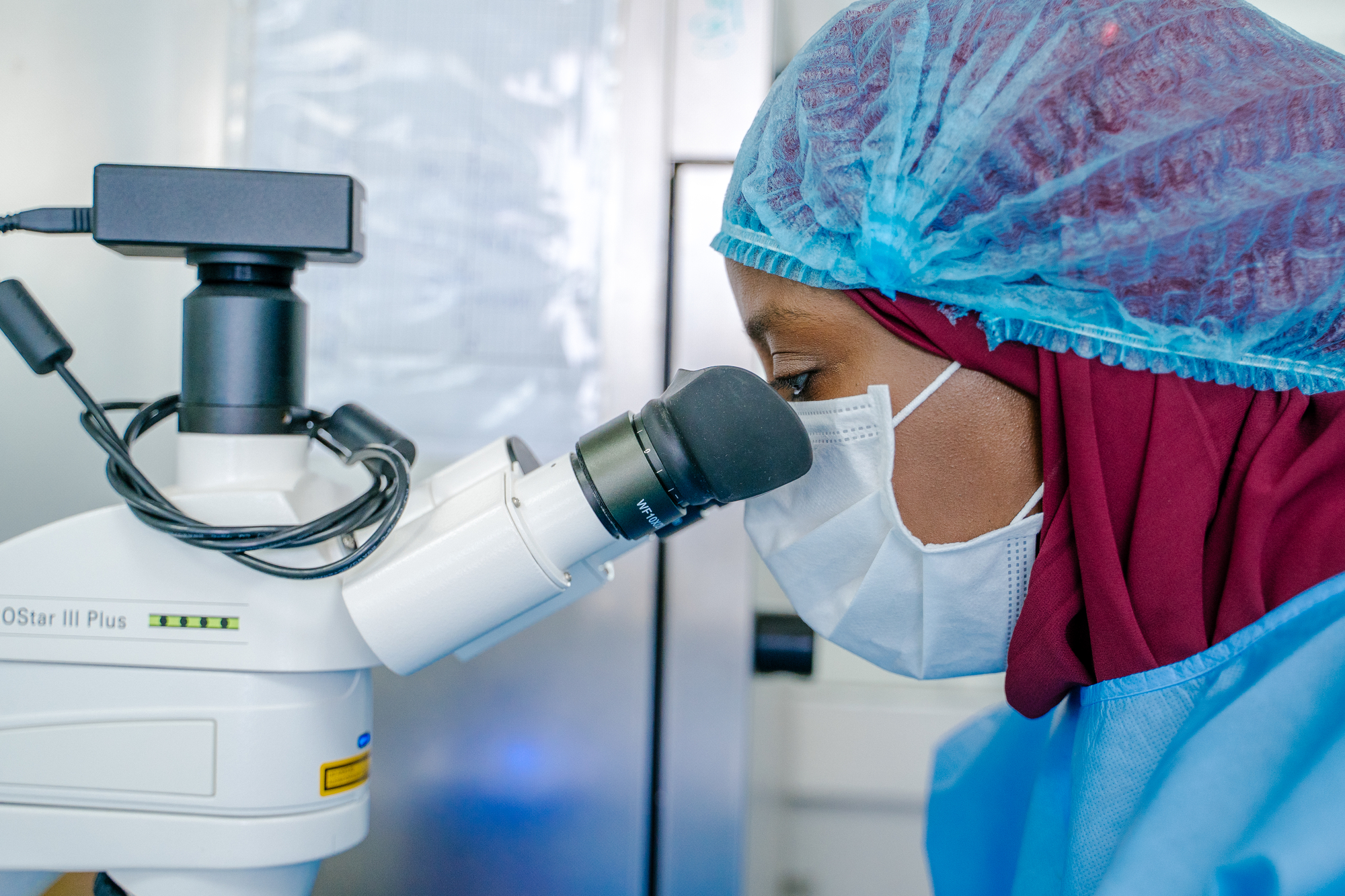
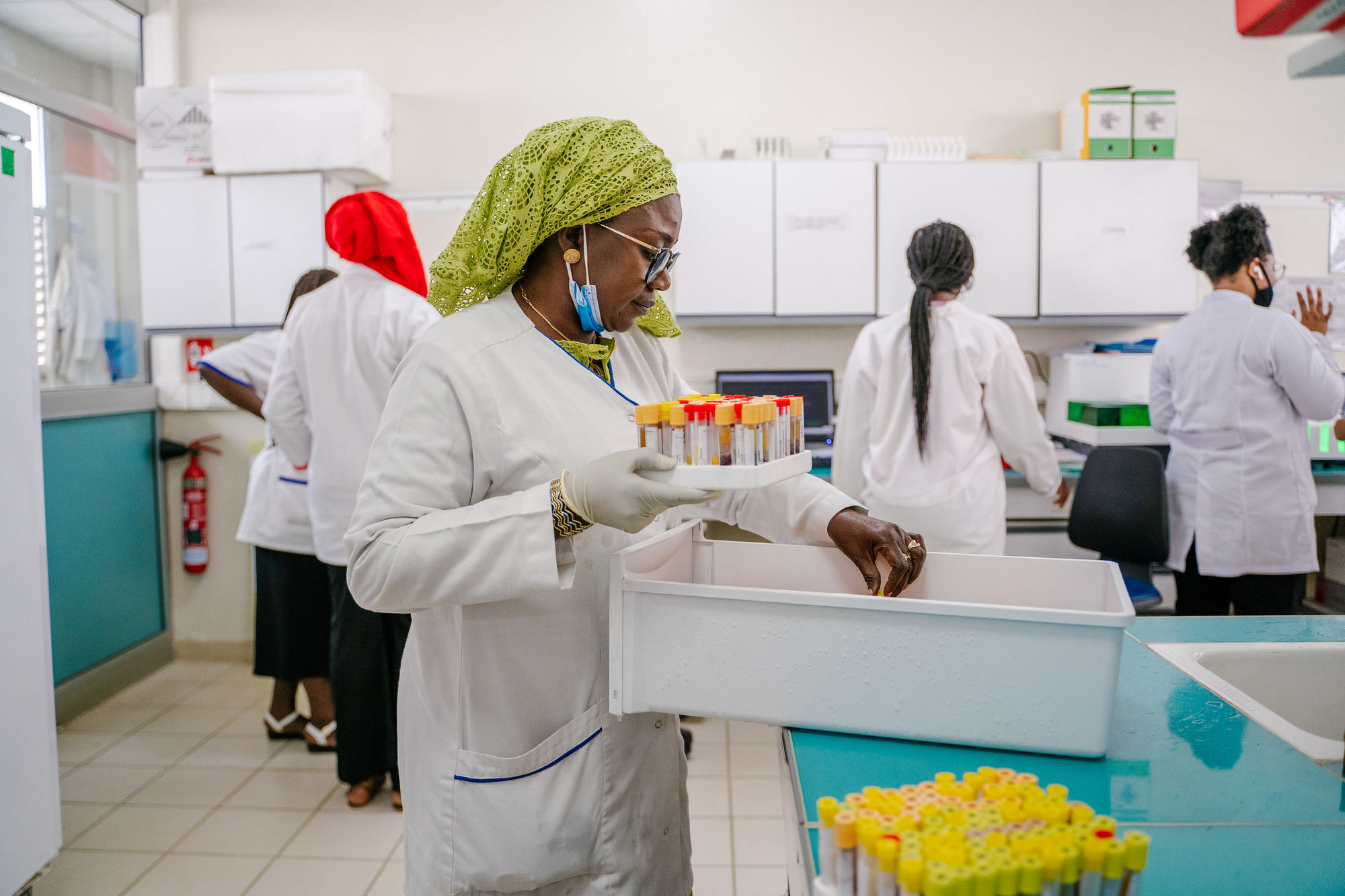
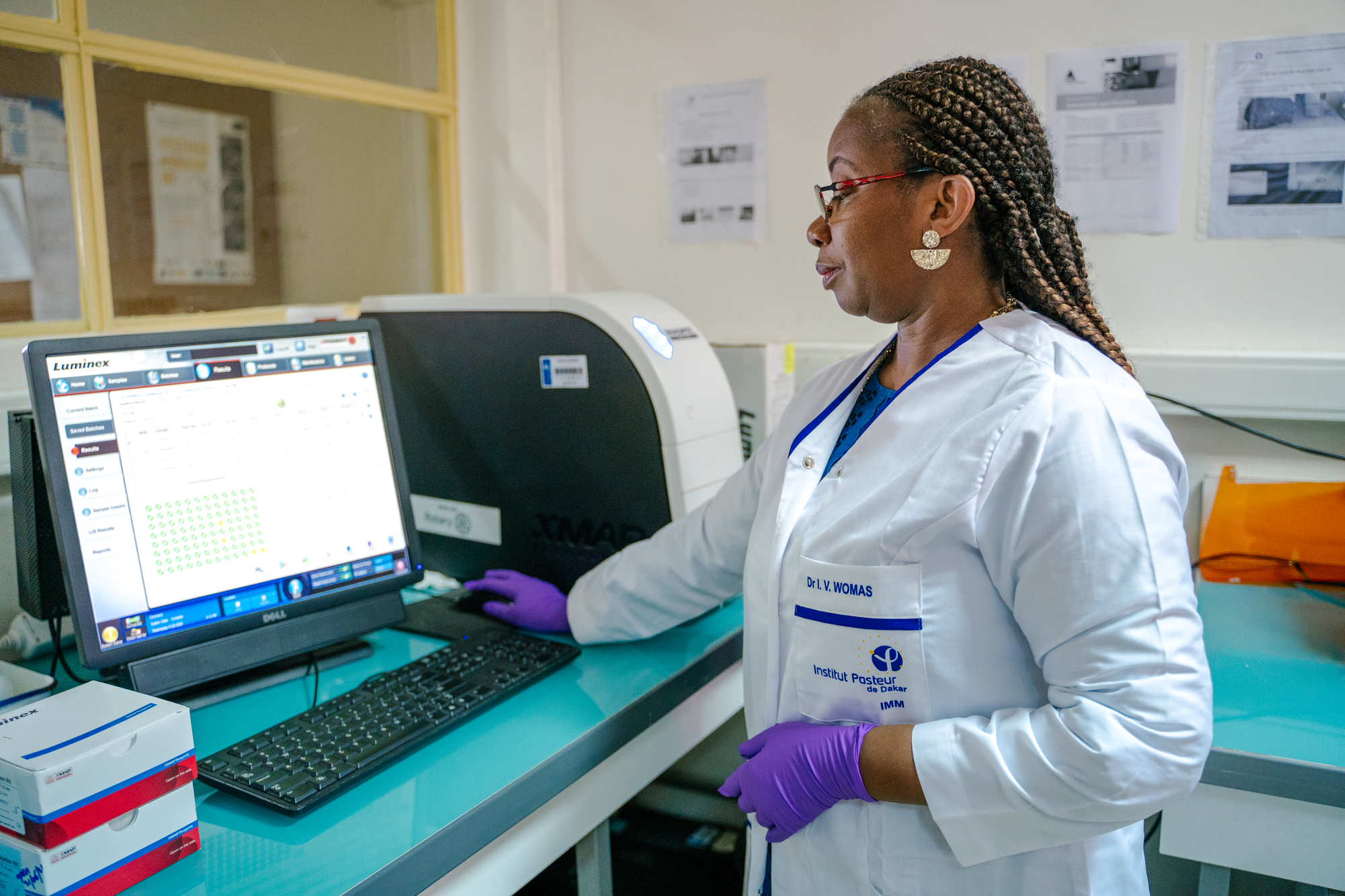
    This project team at the Institut Pasteur de Dakar is developing a point of care rapid diagnostic test for the molecular detection of the Yellow Fever virus. This initiative aims to enable timely diagnosis and effective outbreak management by providing quick results in clinical settings.  By raising awareness and integrating this technology into healthcare facilities, the project seeks to strengthen the surveillance and response systems for Yellow Fever in Senegal, particularly in high-risk areas.

  • Artificial Intelligence-Based Outbreak Early Warning System for Rift Valley Fever Detection (AIRFARE-EWS)

    Artificial Intelligence-Based Outbreak Early Warning System for Rift Valley Fever Detection (AIRFARE-EWS)


    The Université Gaston Berger de Saint-Louis is developing the AIRFARE-EWS, an artificial intelligence-powered early warning system for detecting Rift Valley Fever (RVF) outbreaks. By integrating diverse data sources—including environmental, meteorological, and livestock health information—the system will enhance the capacity for early detection and timely response to RVF threats. Machine learning algorithms will analyze trends and patterns to predict outbreaks before they occur. The project also includes the development of a mobile application for monitoring disease spread, providing farmers and healthcare workers with real-time alerts, ultimately aiming to safeguard both human and animal health.

  • Development of a Rapid Molecular Detection Test for Measles Virus Diagnosis

    Development of a Rapid Molecular Detection Test for Measles Virus Diagnosis

    At the Institut Pasteur de Dakar, the project team are developing a rapid molecular diagnostic test for measles on lateral flow strips and in cassette form, using CRISPR technology, previously used mainly in the field of genome editing. The end product will enable rapid, highly sensitive diagnosis, and could potentially offer a cheaper alternative to current diagnostic methods in the future. This will significantly boost the level of measles virus surveillance, particularly in low-resource environments. The team plans to validate the test across various healthcare settings, ensuring its accessibility and reliability, and will conduct training for healthcare professionals to facilitate prompt and accurate diagnoses.

  • Improving Access to Epidemic Prone Infectious Disease Tests through Strengthening of the Sample Referral System in Ghana using Mobile-Based Application

    Improving Access to Epidemic Prone Infectious Disease Tests through Strengthening of the Sample Referral System in Ghana using Mobile-Based Application

    The Centre for Health System Strengthening (CfHSS) project aims to enhance the sample referral system for epidemic-prone infectious disease testing in Ghana. By developing, testing and implementing a mobile-based application, this initiative seeks to streamline the referral process, enabling primary health centers to efficiently request and transport samples to specialized laboratories. The app will provide real-time tracking and updates, reducing delays in diagnosis and treatment. This approach will not only increase the volume of referred samples but also improve turnaround times for test results, thereby strengthening the overall healthcare response to infectious disease outbreaks.