Tag: Senegal

  • GALSEN DEEP VISION – AI for Early Detection of Strabismus in Children

    GALSEN DEEP VISION – AI for Early Detection of Strabismus in Children

    GALSEN DEEP VISION, a mobile application powered by AI, detects strabismus in children by analyzing facial images for angular deviations. This tool will allow parents and healthcare providers to identify early signs of strabismus, ensuring timely interventions and expanding access to pediatric eye care in underserved areas.

  • Ma Santé Au Quotidien (MSAQ) – AI-Enhanced Health Advice for Community Health Workers

    Ma Santé Au Quotidien (MSAQ) – AI-Enhanced Health Advice for Community Health Workers

    MSAQ is an AI-driven chatbot that provides community health workers with reliable health information on maternal health, infectious diseases, and more. Utilizing an offline knowledge base, MSAQ will enable health workers to respond with contextualized, verified advice, bridging information gaps and enhancing patient care in remote areas.

  • Modeling and Monitoring Cardiovascular Health Through Family-Centered Data

    Modeling and Monitoring Cardiovascular Health Through Family-Centered Data

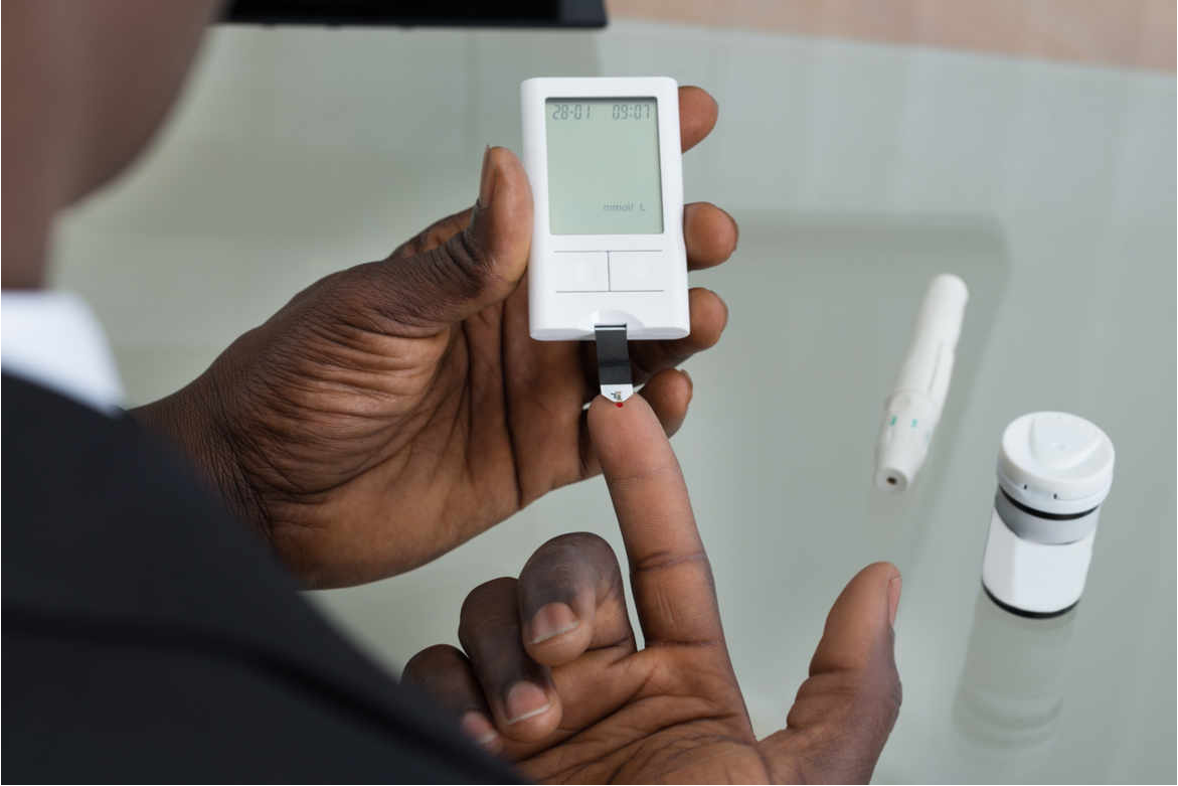
    This project promotes a household-centered approach to cardiovascular health, collecting data on lifestyle and environmental factors. Through a health and environment barometer, it will identify family-based cardiovascular risks and encourage family involvement in health decisions, ultimately enhancing adherence to preventive health measures and improving outcomes.

  • Transforming Healthcare Education: AI-Powered Access to Clinical Guidelines and SOPs

    Transforming Healthcare Education: AI-Powered Access to Clinical Guidelines and SOPs

    This innovation incorporates Large Language Models into the Medical Learning Hub (MLH), TC4A’s specialized e-learning platform designed for healthcare providers, to generate personalized assessment questions based on clinical guidelines. This tool enhances comprehension of SOPs among healthcare professionals, improving adherence to healthcare standards. By ensuring ongoing professional development, the project will strengthen the skills of healthcare workers across Francophone Africa.

  • AI-Driven Patient Intake System for Primary Healthcare

    AI-Driven Patient Intake System for Primary Healthcare

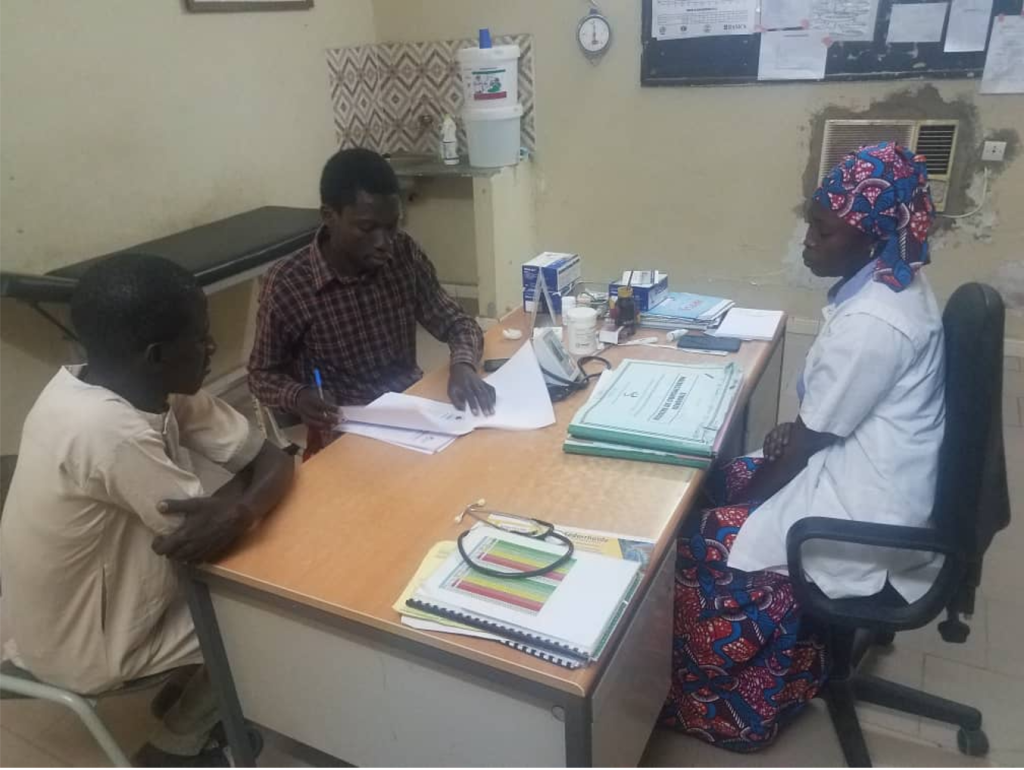
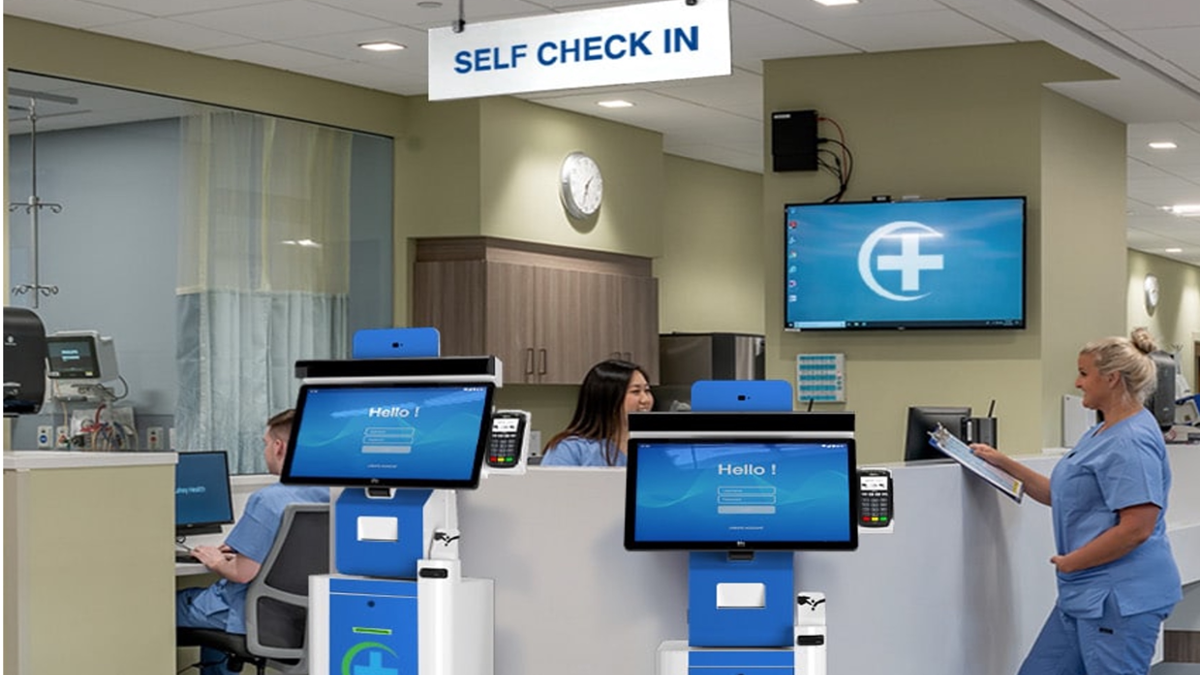
    Addressing challenges in patient intake, Haskè Health is implementing an AI-powered system to improve triage accuracy and reduce wait times in Senegal’s primary healthcare facilities. By using a Medical Large Language Model to assess symptoms and prioritize care, the project will enhance patient experiences and alleviate healthcare provider workloads.

  • Artificial Intelligence for Schistosomiasis Control

    Artificial Intelligence for Schistosomiasis Control

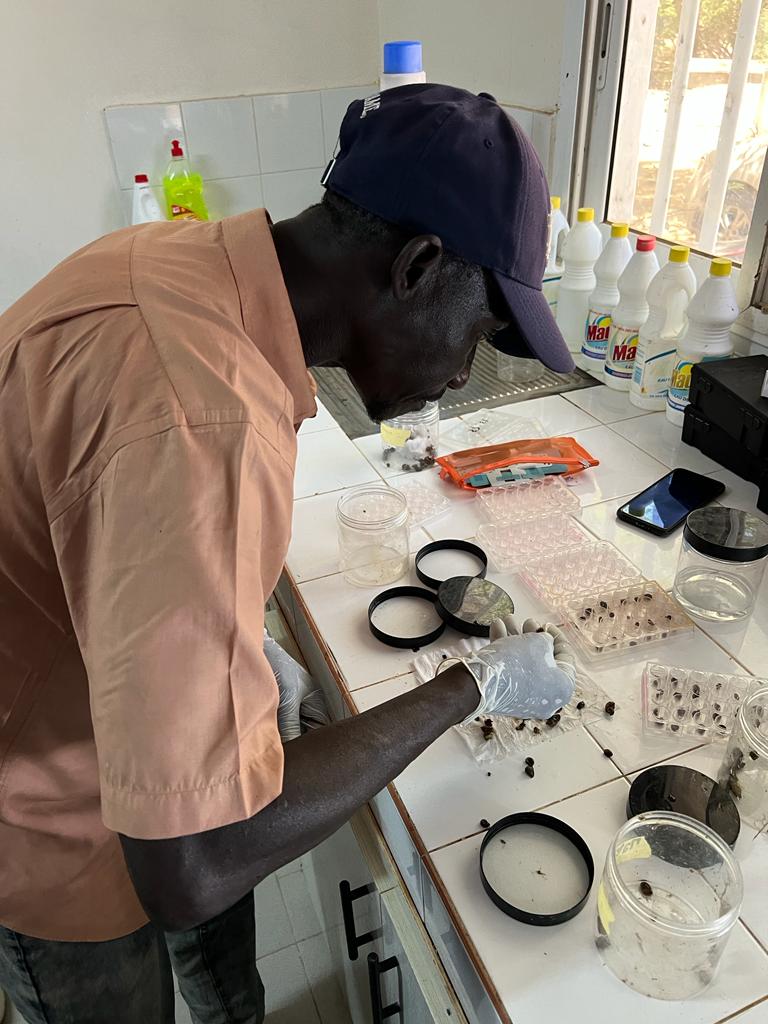
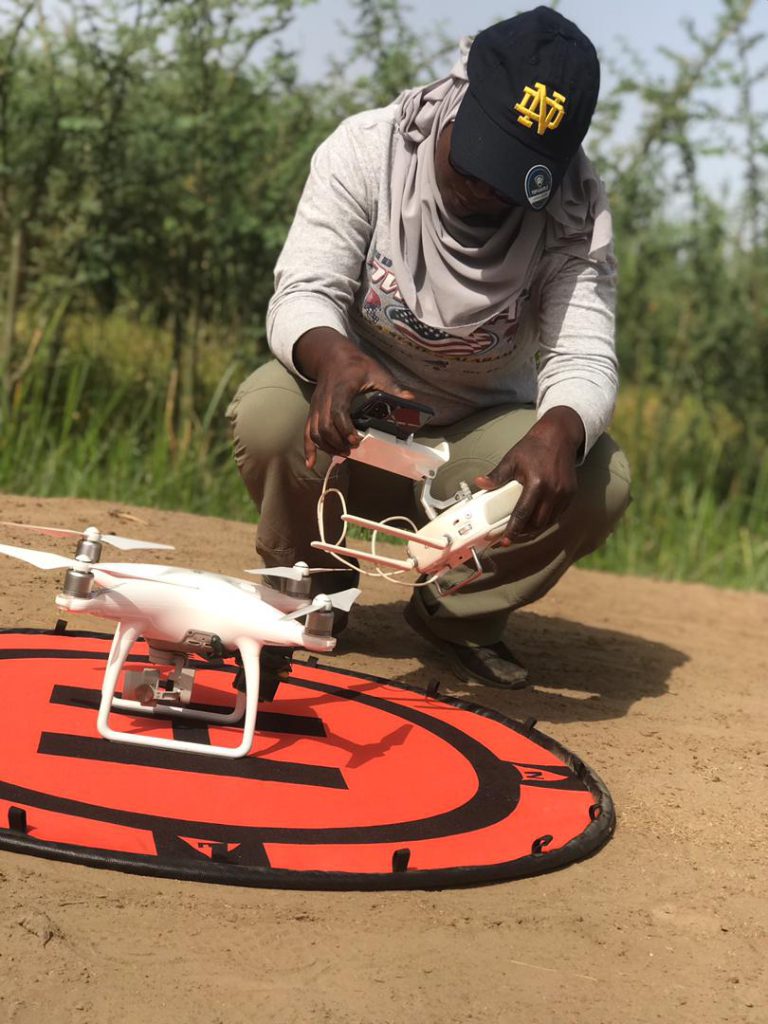
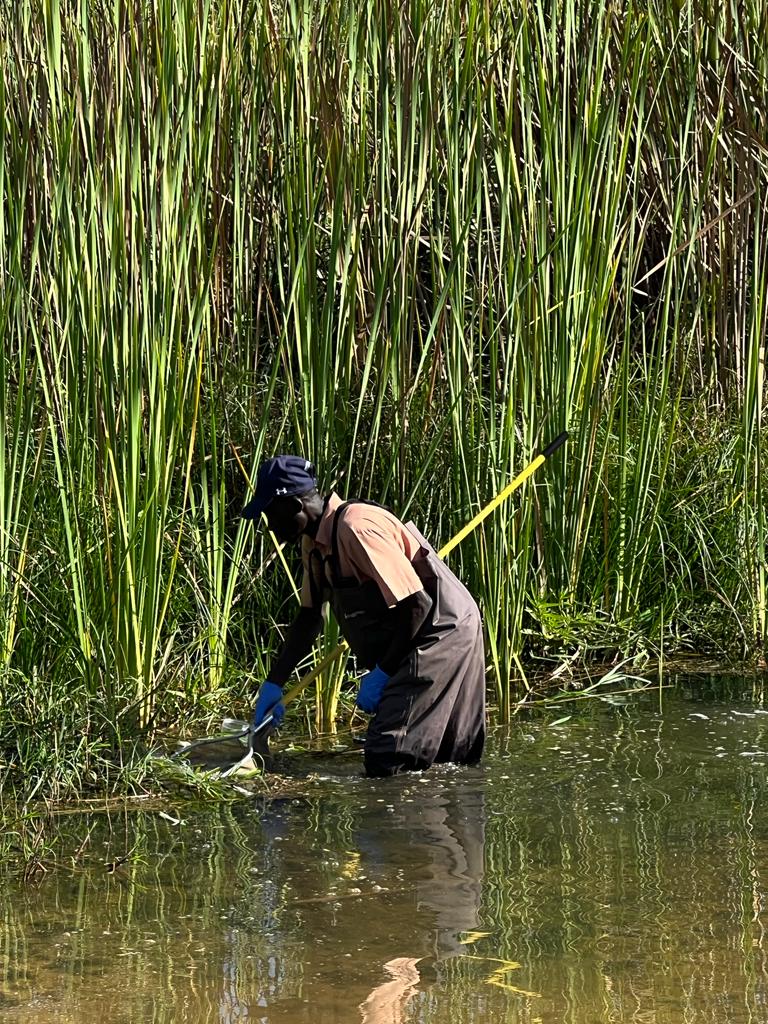
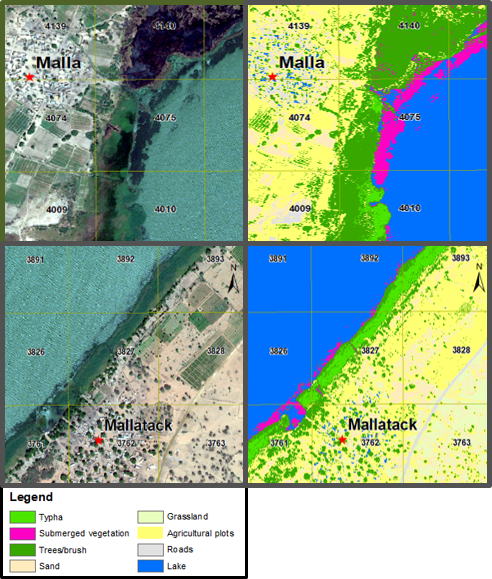
    This project addresses schistosomiasis, also known as bilharzia, an infection caused by a parasitic disease impacting millions in low-income regions. Collaborating with U.S. universities and the Centre of Excellence in Mathematics, Computer Science and ICT (CEA-MITIC) at Senegal’s Gaston Berger University (GBU), this initiative leverages drone and satellite imagery with AI models to map high-risk areas, enabling targeted interventions. This AI approach is set to transform schistosomiasis control strategies, while also training local students in innovative disease surveillance techniques.

  • Weerwi – AI-Driven Counseling for Young Girls Using a Large Language Model

    Weerwi – AI-Driven Counseling for Young Girls Using a Large Language Model

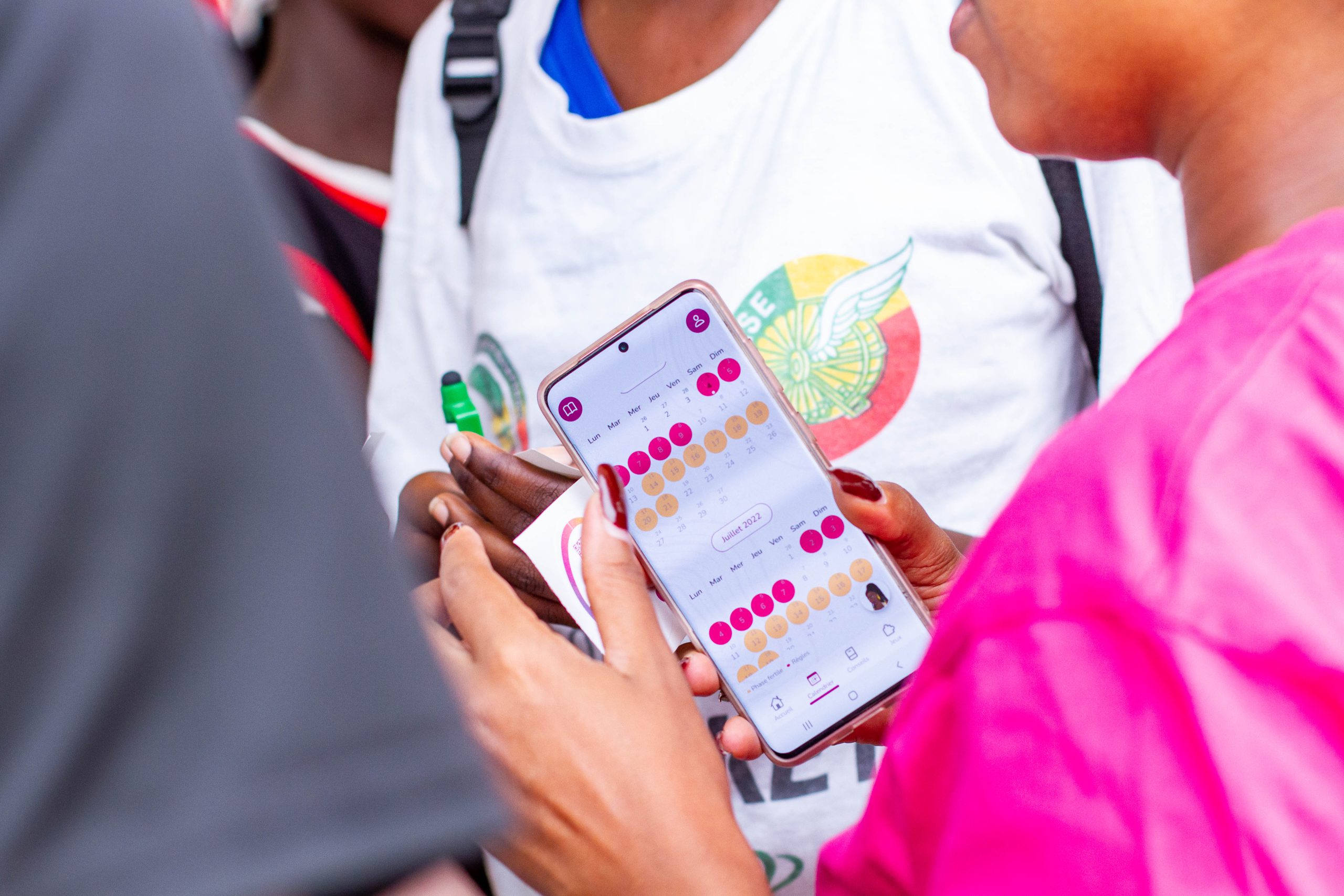
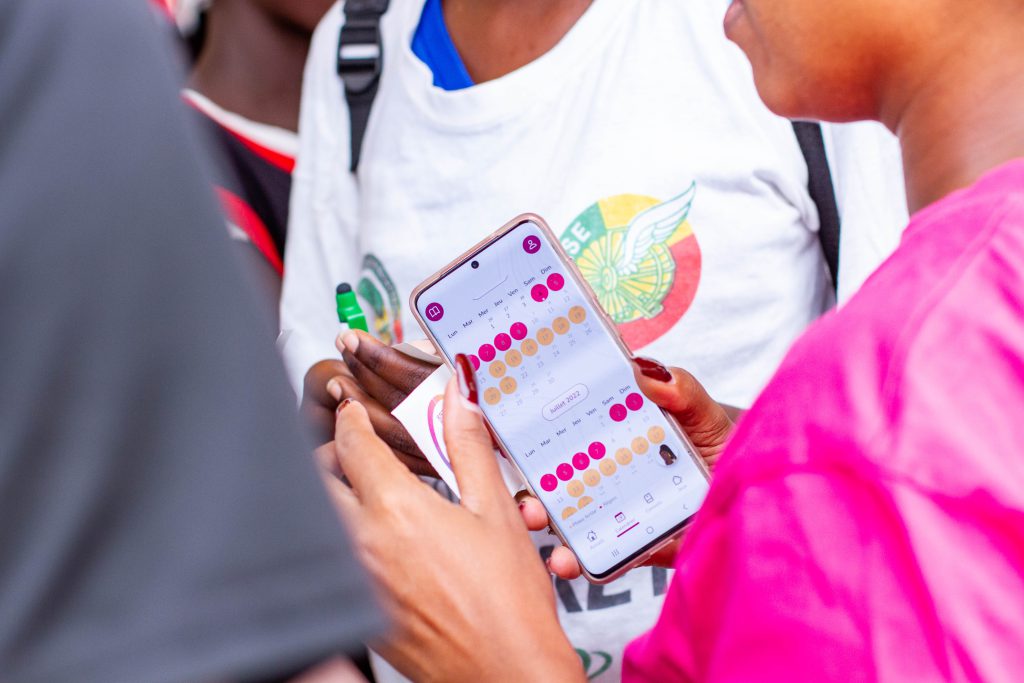
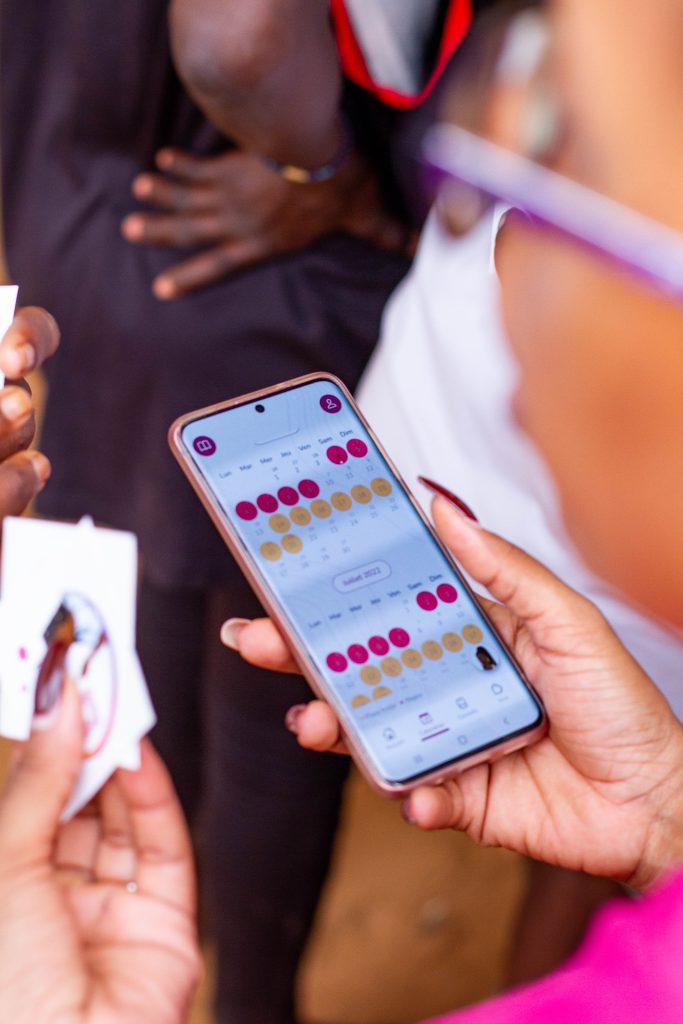
    The Weerwi mobile application provides reproductive health information to young girls in Senegal and West Africa, currently handling around 10,000 monthly interactions. Upgrading its chatbot with generative AI and an advanced Large Language Model (LLM) will enable more personalized advice, considering previous interactions, and a familiar communication style to better target young girls on prevention and awareness.  In addition, the team will implement a content recommendation algorithm based on the user’s interactions with the chatbot. Personalized notifications with a proposal for relevant content (video, etc.) will be sent to users.

  • Community disease surveillance using an innovative One Health approach

    Community disease surveillance using an innovative One Health approach

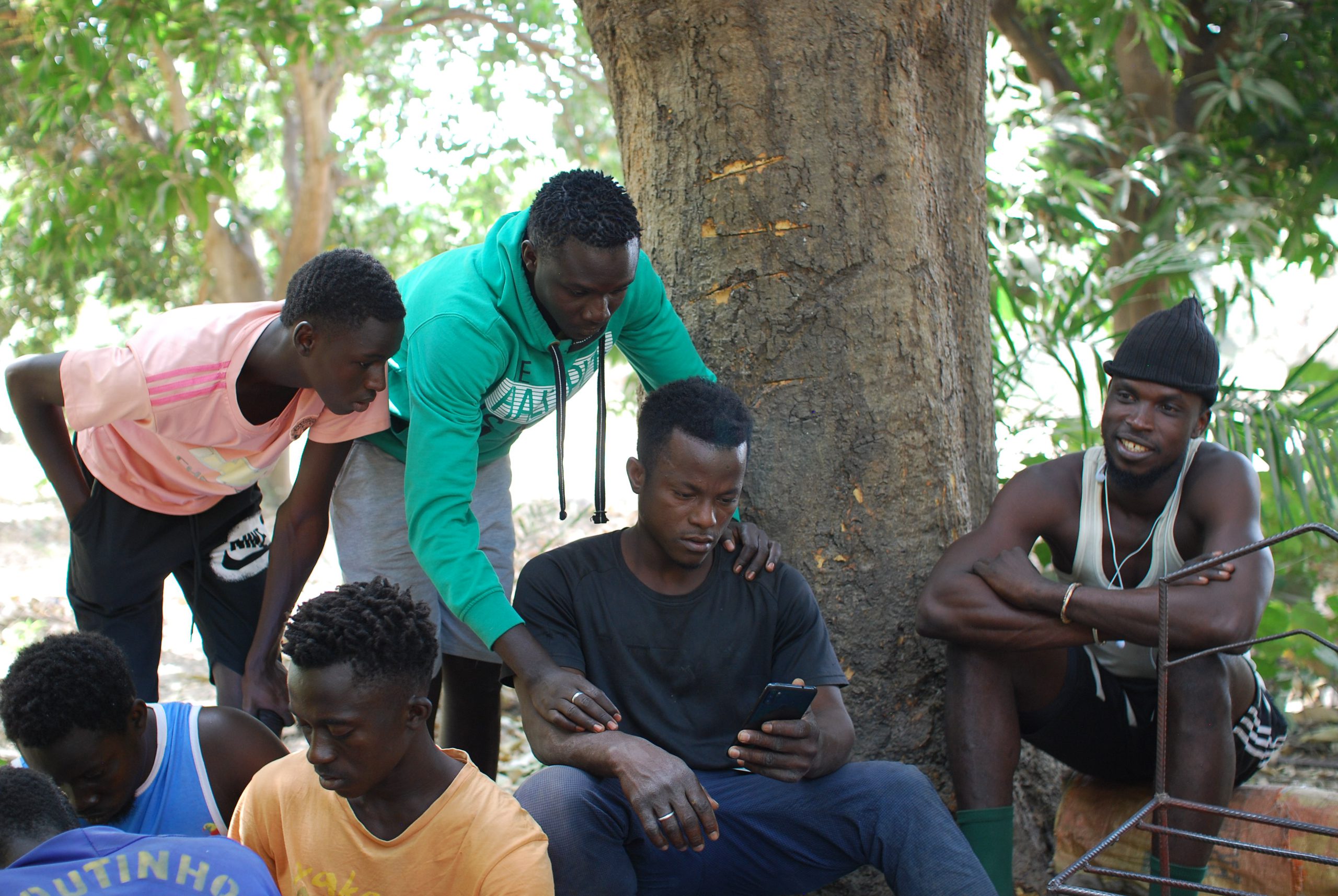
    One Health Lessons (OHL) is partnering with the University Assane Seck of Ziguinchor (UASZ) on this project to pilot a community-level One Health education network and reporting system (through a mobile health platform), rooted in the education space, to effectively undertake outbreak intelligence and surveillance. Training and implementation will target the community of Sédhiou, in Senegal’s Casamance region. The main goal will be to enable local health authorities to have access to more accurate real-time information, that is effectively collected through a community-led surveillance model, for the purposes of more informed decision-making.

  • Rapid Molecular Detection of Yellow Fever Virus at the Point of Care

    Rapid Molecular Detection of Yellow Fever Virus at the Point of Care

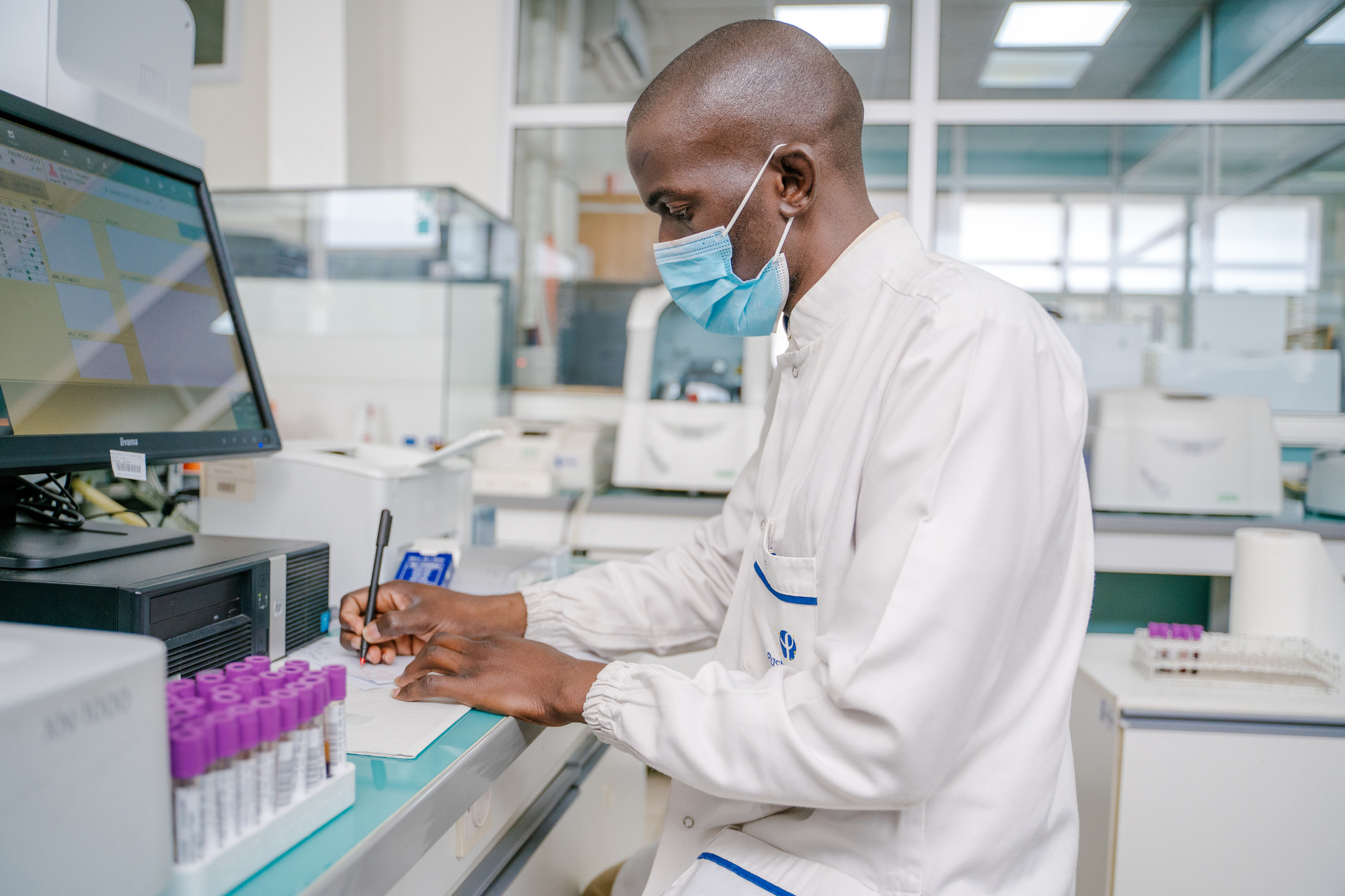
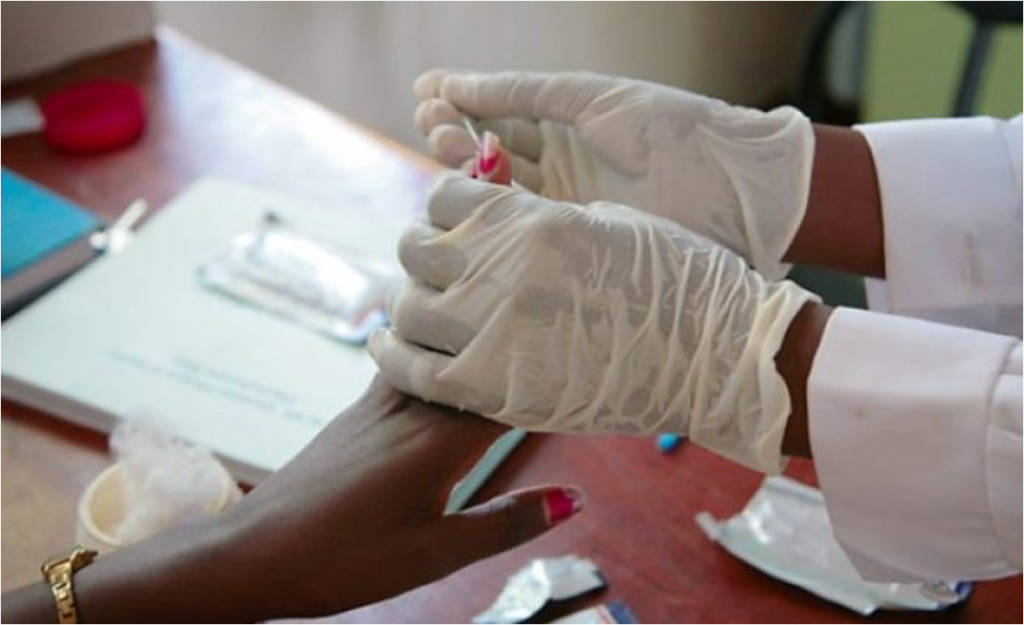
    This project team at the Institut Pasteur de Dakar is developing a point of care rapid diagnostic test for the molecular detection of the Yellow Fever virus. This initiative aims to enable timely diagnosis and effective outbreak management by providing quick results in clinical settings.  By raising awareness and integrating this technology into healthcare facilities, the project seeks to strengthen the surveillance and response systems for Yellow Fever in Senegal, particularly in high-risk areas.

  • Data Collection System and Information Research for Epidemiological Decision-Making

    Data Collection System and Information Research for Epidemiological Decision-Making

    The École Polytechnique de Thiès is creating a comprehensive data collection system to support epidemiological decision-making. This initiative will gather and analyze relevant health data, including disease incidence, vaccination rates, and environmental factors, allowing healthcare professionals and policymakers to make informed decisions in real-time. The project will also develop a multilingual chatbot, in French and Wolof (Senegal’s first two languages), that will ultimately serve as an intelligent search engine. This chatbot will be accessible to health professionals as well as ordinary citizens wishing to access reliable, secure, accurate and credible information on a given disease.